Reusable training structures and ranges.

Reusable training structures and ranges from one modular panel set — surface-mounted, reconfigured panel by panel between evolutions.

Training & Range Systems

The Training & Range Systems family.

The system
01 · MOTC

Modular training complex.

The family's one system: a modular panel set specified as a subterranean, urban, breaching, shooting or CBRN trainer, and procured as equipment rather than built as construction.
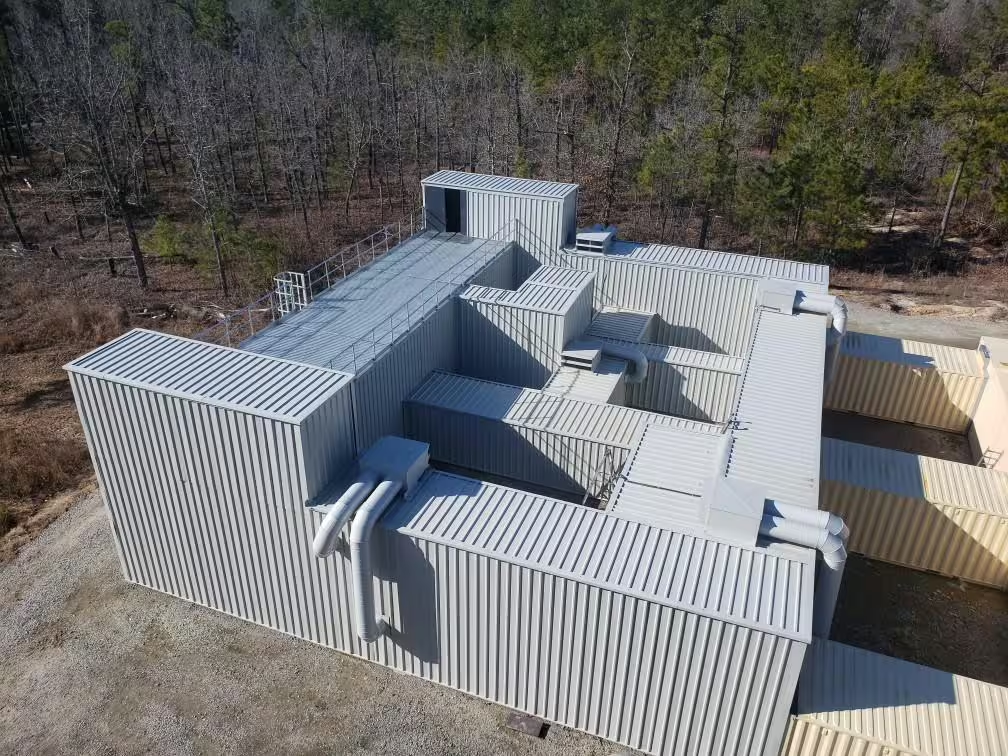
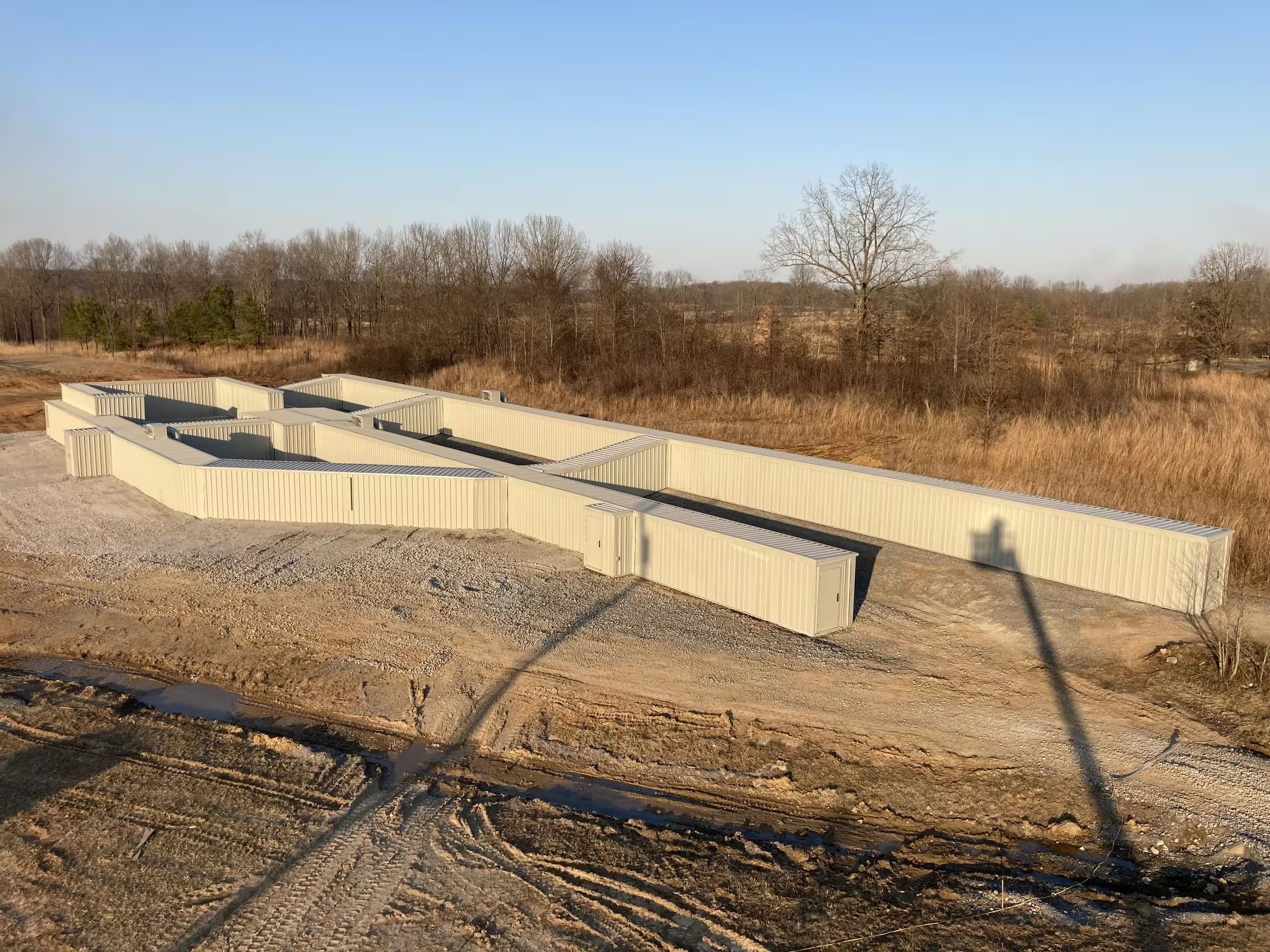
Aerial view of a MOTC urban training complex: interlocking ribbed-steel modules forming a warren of rooms and roof levels, an external stair at the near corner, set on bare ground against winter woodland
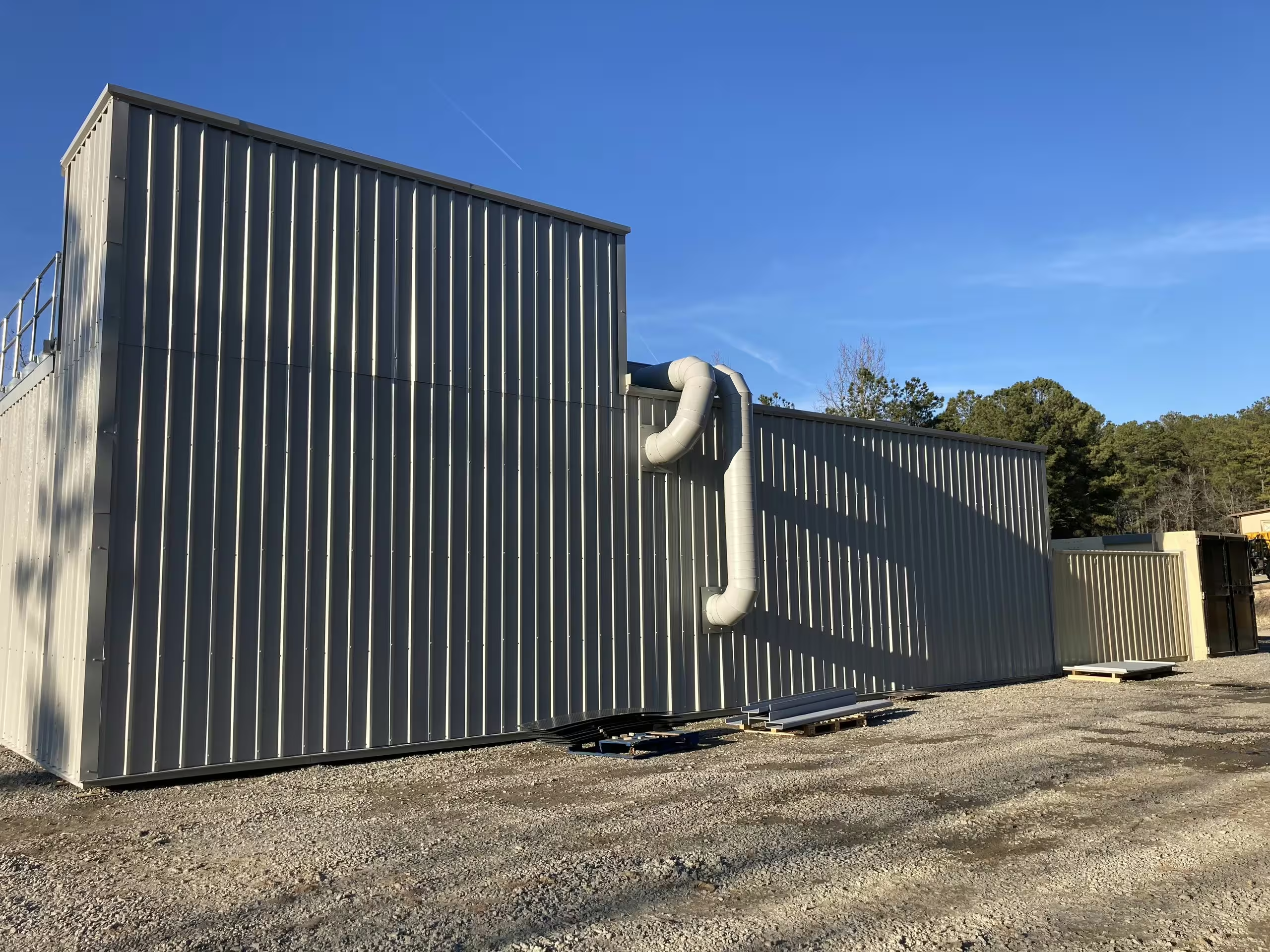
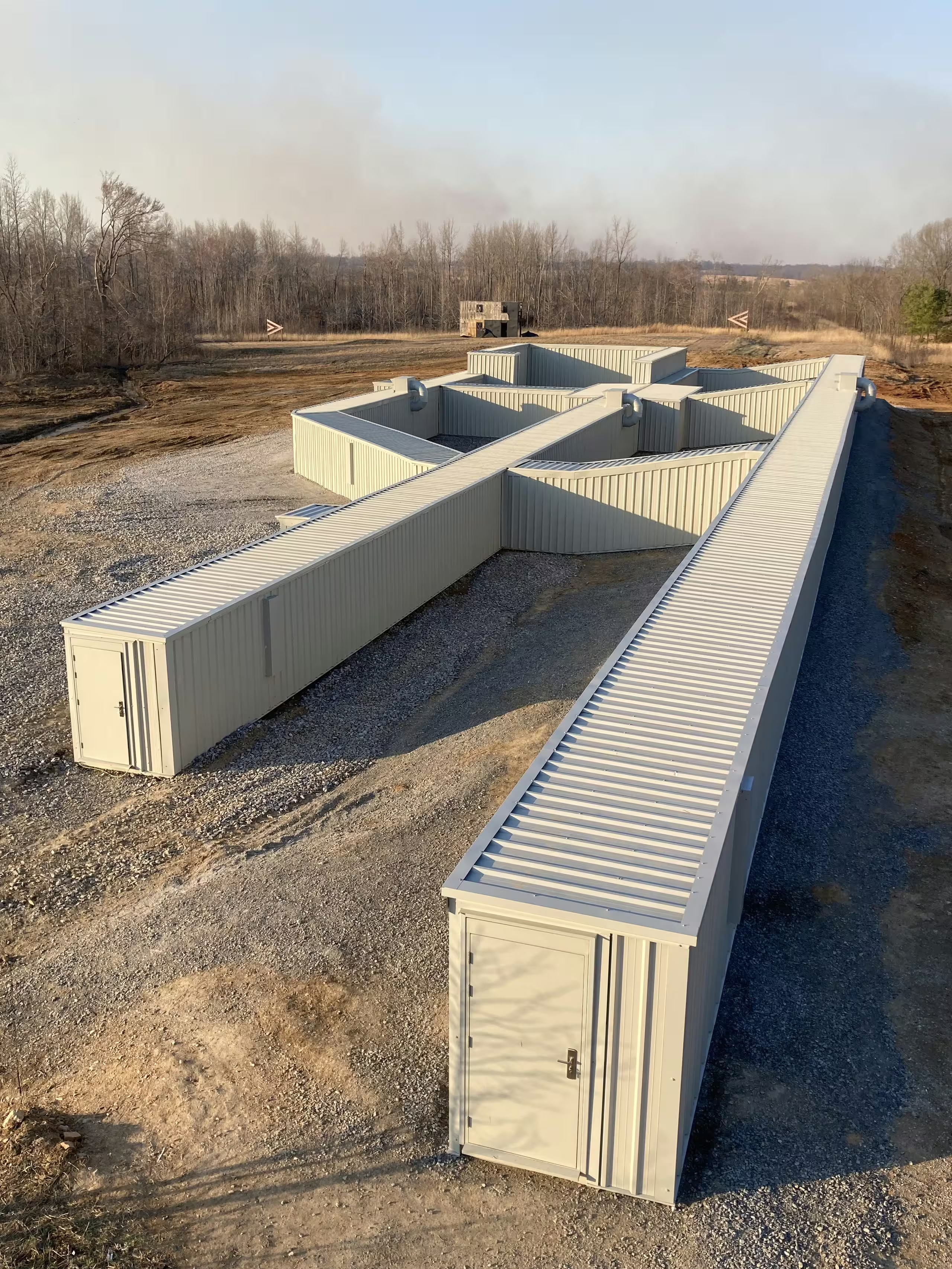
A closer view of a subterranean trainer run: a long ribbed tunnel module crossing gravel and joining a taller end module with a door, the rest of the network visible behind it

It is procured as kit, not as a building.

Equipment, not construction
Surface-mounted modules assemble on gravel, dirt, asphalt, concrete or grass. No excavation, no civil engineering, no contractor on site.
  • No ground preparation and no environmental impact
  • Crew-installed — no special tools, contractors or MHE
  • Assembles around existing infrastructure
  • Relocatable, so a range can follow the exercise

Change the problem, not the building.

Between evolutions
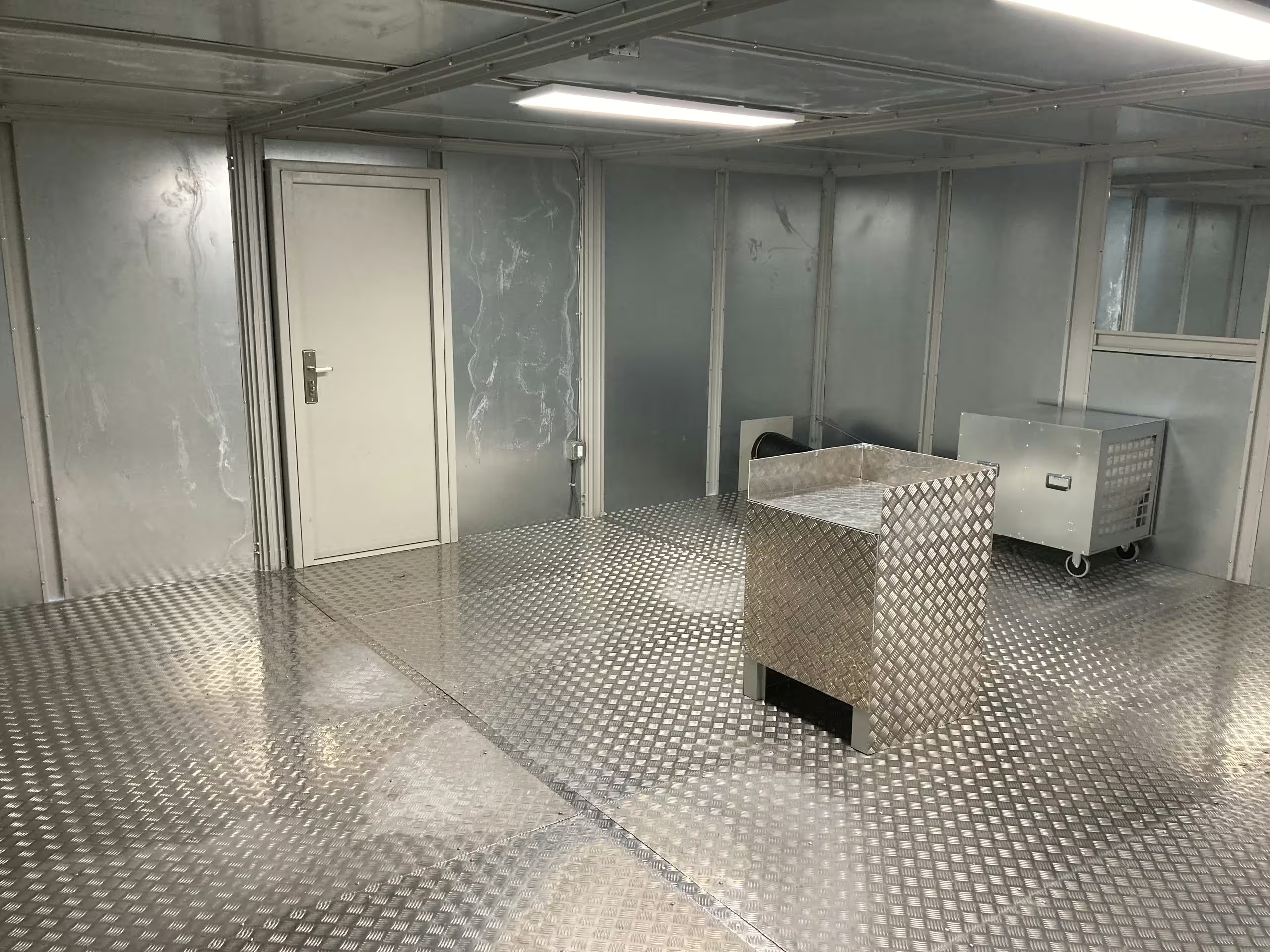
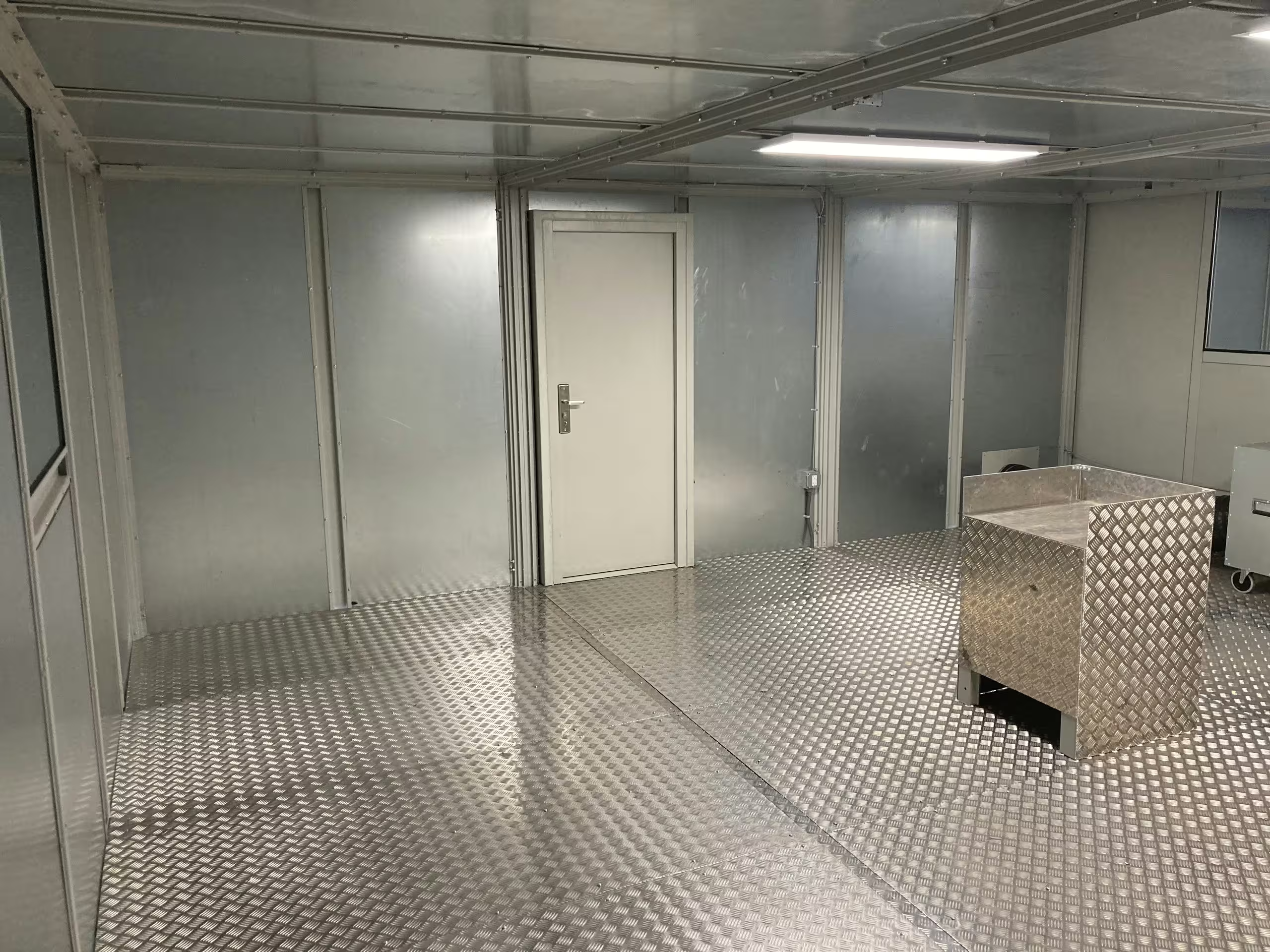
Panels swap out to change routes and challenges, so a unit trains against a layout it has not already memorised.
  • Breach door cassettes replaced between serials — mechanical and thermal
  • Module sizes from quarter-height crawl to 14 ft standard
  • Multi-level transitions, vertical shafts and ladder or stair links
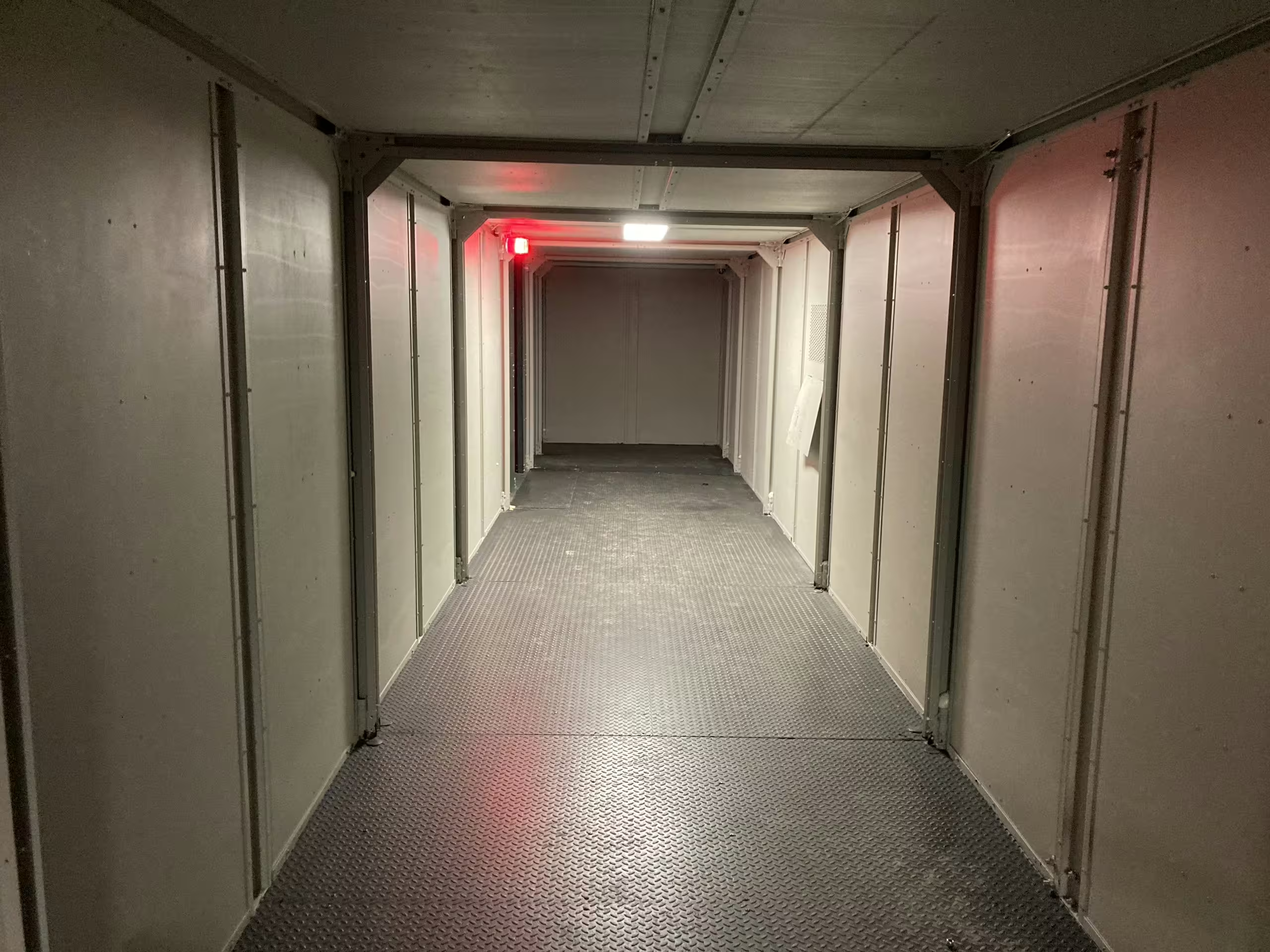
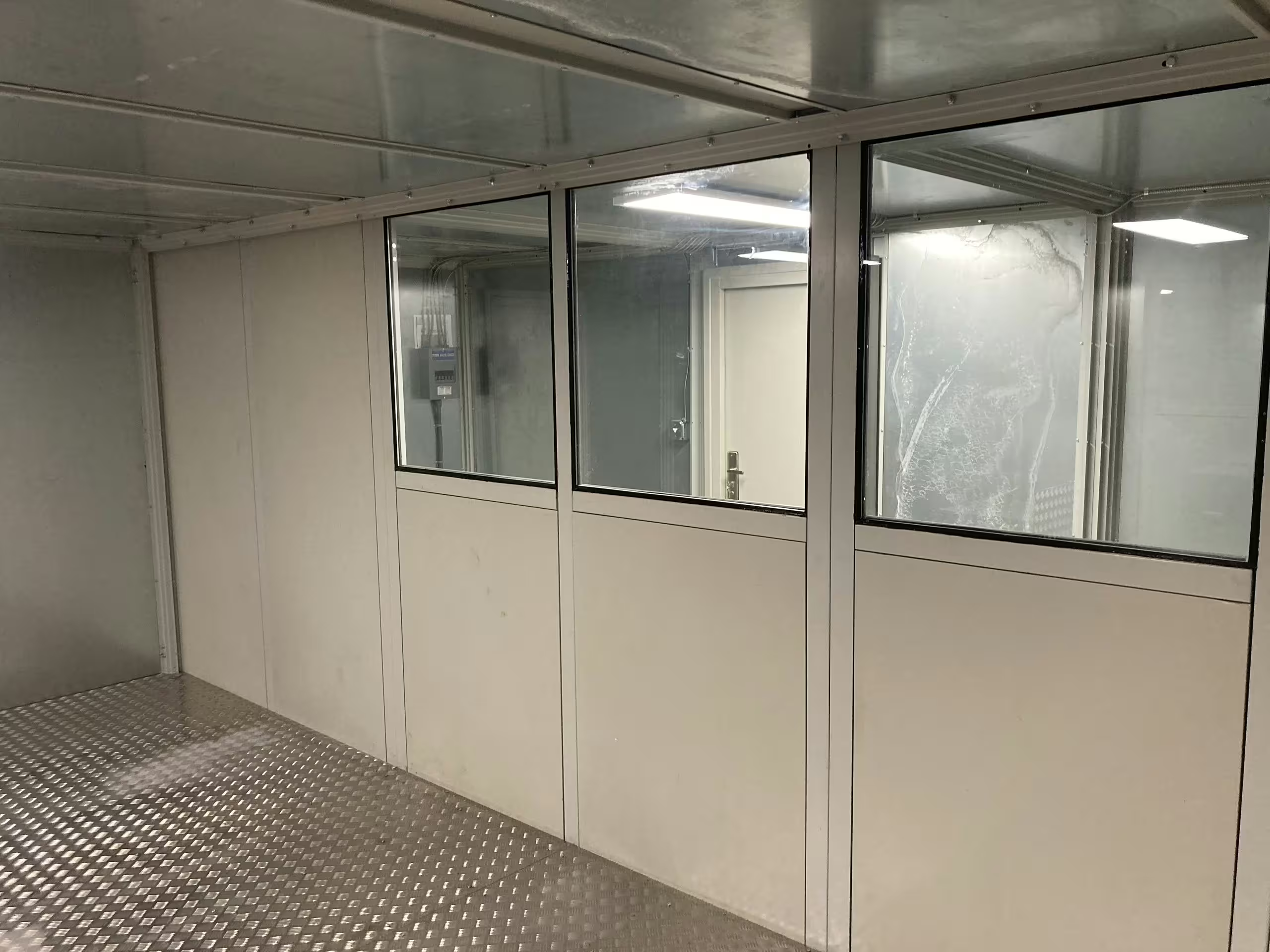
  • CCTV, lighting and audio with a cadre control module for after-action review
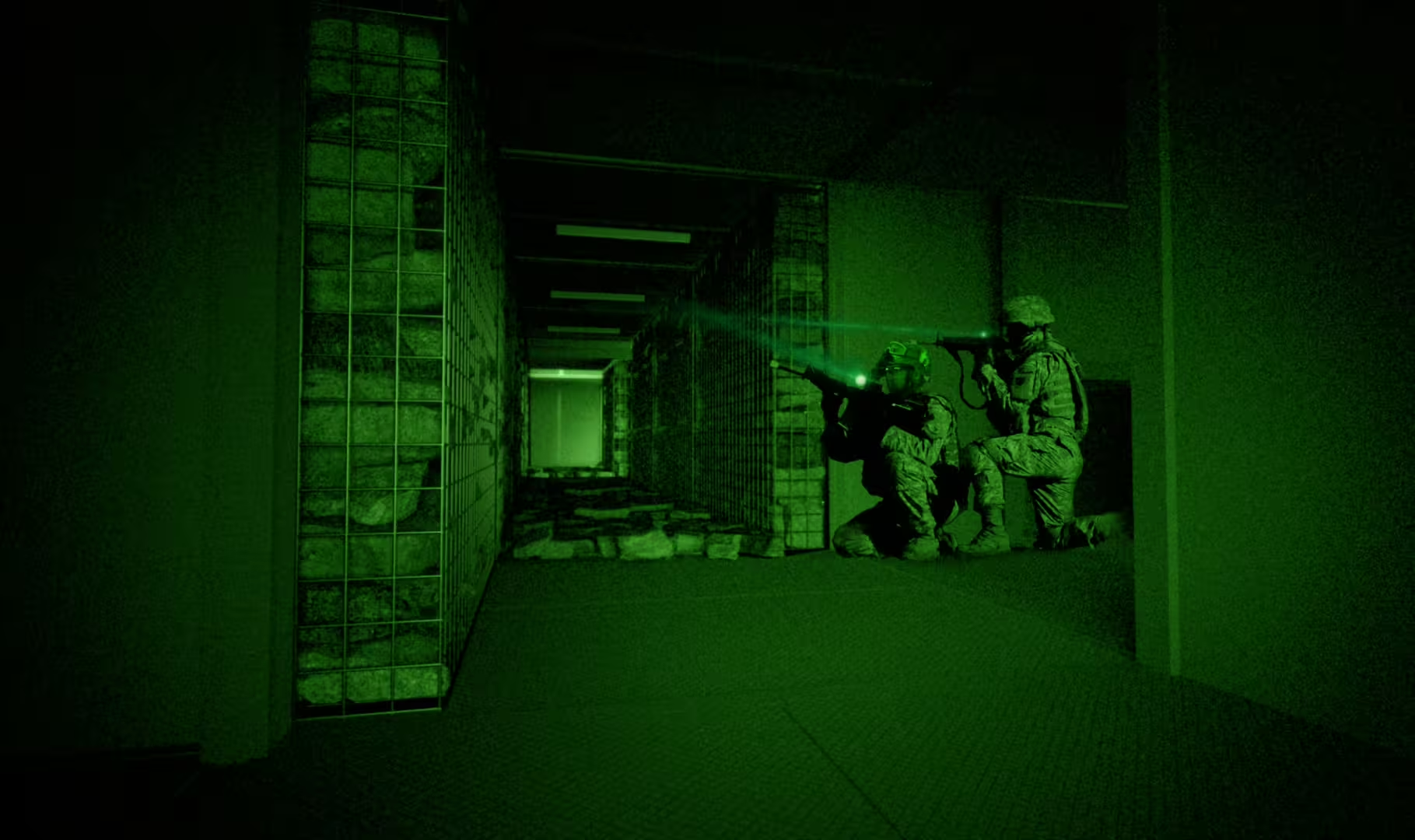
Seen through night vision, two soldiers hold a corner inside a MOTC breaching module while a weapon light plays down the corridor, racked panels along one wall

One panel set, six options.

Options
The modules do not change — the option set does. Each is quoted from the same base system, and several can be combined into a single complex.
A subterranean trainer built above ground on open scrubland: long pale tunnel modules running out across the site and branching into a network, with bare earth tracks around them and a tree line behind

Subterranean.

Option 01 · SUB-T
Tunnel, culvert and confined-space routes built above ground from the same modules — a subterranean problem set without the excavation.
  • Quarter-height crawl, half-height and standard modules in one route
  • Vertical shafts with ladder and stair transitions between levels
  • Scales from fire team to brigade-level operations
  • Relocatable, so objectives can be created in remote exercise areas

Urban terrain.

Option 02 · MOUT
MOUT structures and facades up to four levels, assembled around existing infrastructure rather than replacing it.
  • Up to four levels with stair, ladder and shaft transitions
  • Modules up to 14 ft wide — wider by special order
  • Objective rooms and internal routes reconfigured panel by panel
  • Add fast-rope, climbing and rotary-wing insertion platforms
Roof-level view across the MOTC complex: stepped ribbed-steel modules, roof-mounted air-conditioning units and a galvanised walkway guardrail, pine woods behind
Seen through night vision, two soldiers hold a corner inside a MOTC breaching module while a weapon light plays down the corridor, racked panels along one wall

Breaching.

Option 03 · Breaching
Mechanical and thermal breach cassettes fitted into the same module wall and replaced between serials, so the next stack meets an intact door.
  • Rapidly replaceable mechanical and thermal breach door cassettes
  • Cassettes change without dismantling the surrounding structure
  • Modular, ruggedized and expeditionary
  • Adds into a SUB-T or MOUT route as an objective

Shooting platform.

Option 04 · M3EFP
The Modular Multi-Environment Firing Platform: a multi-storey firing structure that reconfigures to an indefinite number of firing positions.
  • Individual and collective sniper and shooting tasks
  • Replicates urban hide-site environments
  • Multi-storey — firing positions at every level
  • Compliant with TC 3-20.40 IWTS Table II
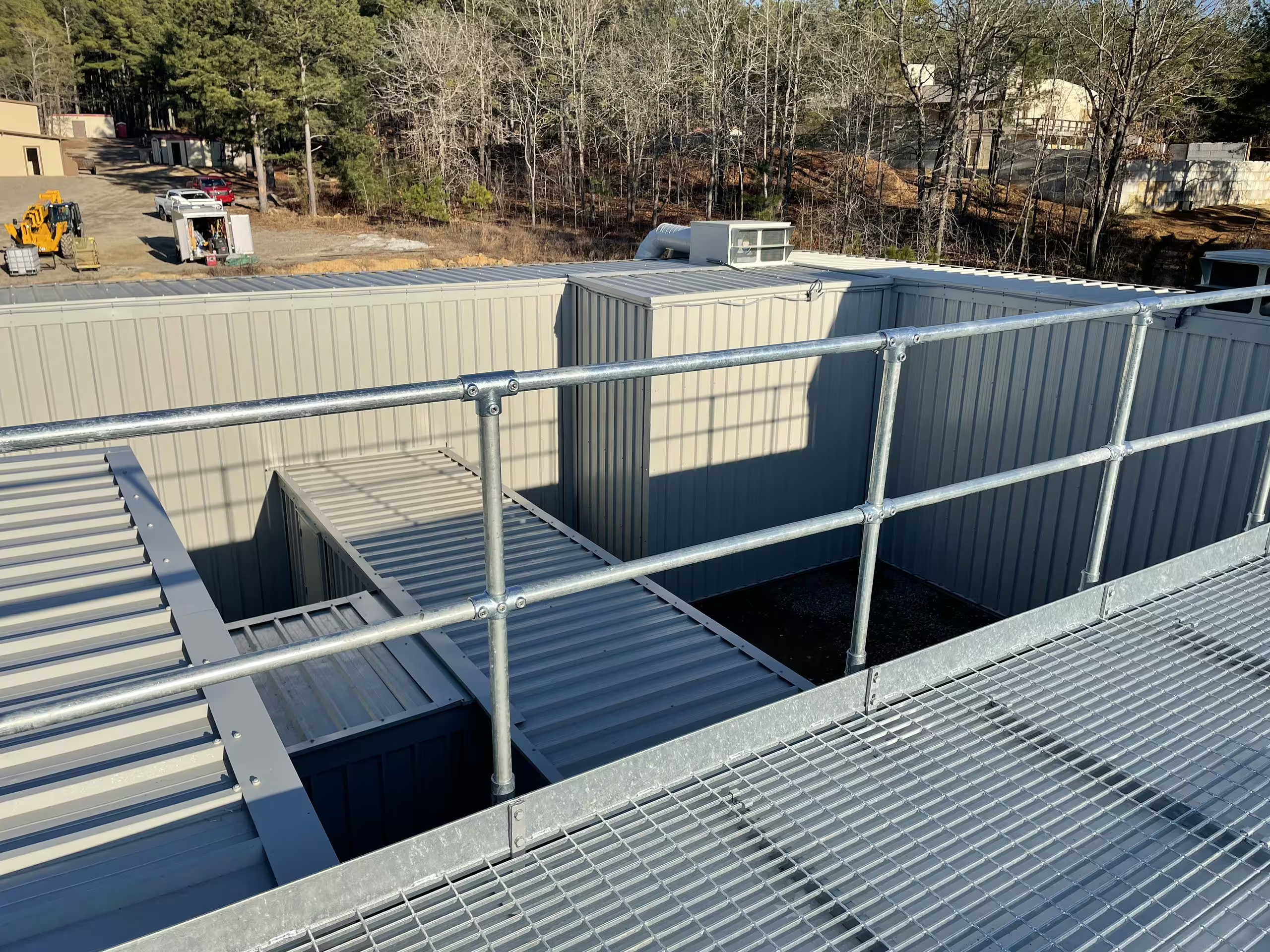
A galvanised walkway with handrails running at roof level across stacked modules, open stairwells dropping through to the levels below and ribbed-steel walls either side
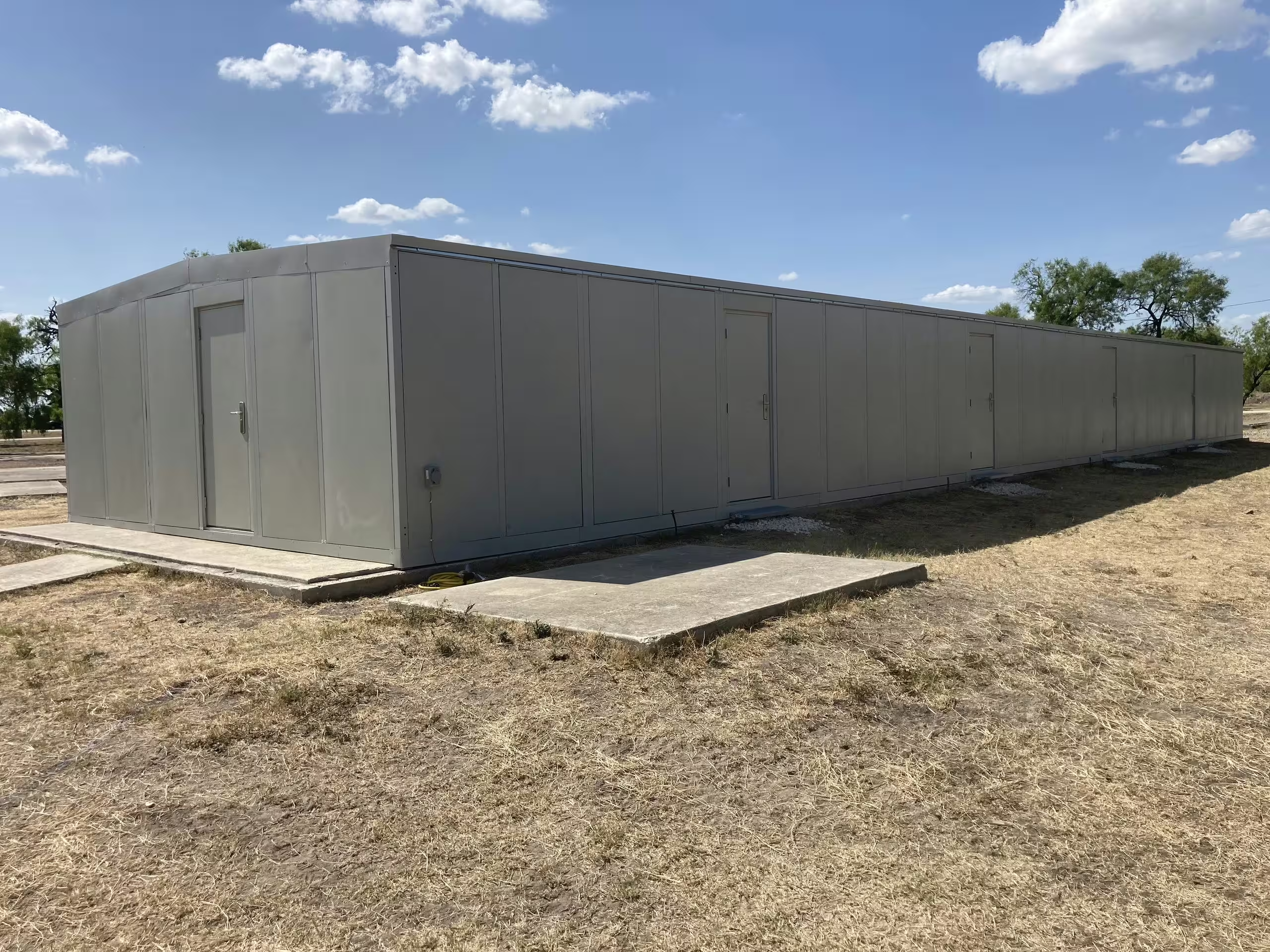
A long single-storey modular gas chamber trainer on dry open ground, its pale panel walls running away from a personnel door at the near end, concrete access pads at the thresholds

CBRN chamber.

Option 05 · GTSC
The MOTC Gas Chamber Trainer Suite — CBRN confidence training built from the standard panel set, sited where the unit trains rather than where a permanent chamber happens to stand.
  • Built from the standard MOTC panel set
  • Surface-mounted — no excavation and no permanent works
  • Relocatable between training areas
  • Chamber specification settled at quotation

Deployable suites.

Option 06 · Deployables
Urban and subterranean modules packed as TRICON and 20 ft container suites — 36 to 145 linear feet of training that arrives as cargo and needs no site.
  • ×20 modules per 20 ft container — 145 linear ft of training
  • ×5 modules per TRICON — 36 linear ft
  • Suite module 7 ft 3 in × 4 ft 10 in × 7 ft 9 in, 490 lb
  • Subterranean and urban layouts in austere areas
Modular trainer sections standing on bare gravel: a long ribbed run joining a taller end module with a door, more of the system laid out behind it

Ranges that change without a build.

Why this family exists
A built range fixes its problem set the day it is poured: the same doors, the same corners, the same route every rotation. BANAIR Group Training & Range Systems are bought as equipment rather than as construction — surface-mounted modular panels that assemble on any surface with no excavation, then swap out to change the layout between evolutions. Urban, subterranean, breaching and live-fire environments come from the same panel set, up to four levels high, so a unit trains against a problem it has not already memorized.
A subterranean trainer built above ground on open scrubland: long pale tunnel modules running out across the site and branching into a network, with bare earth tracks around them and a tree line behind
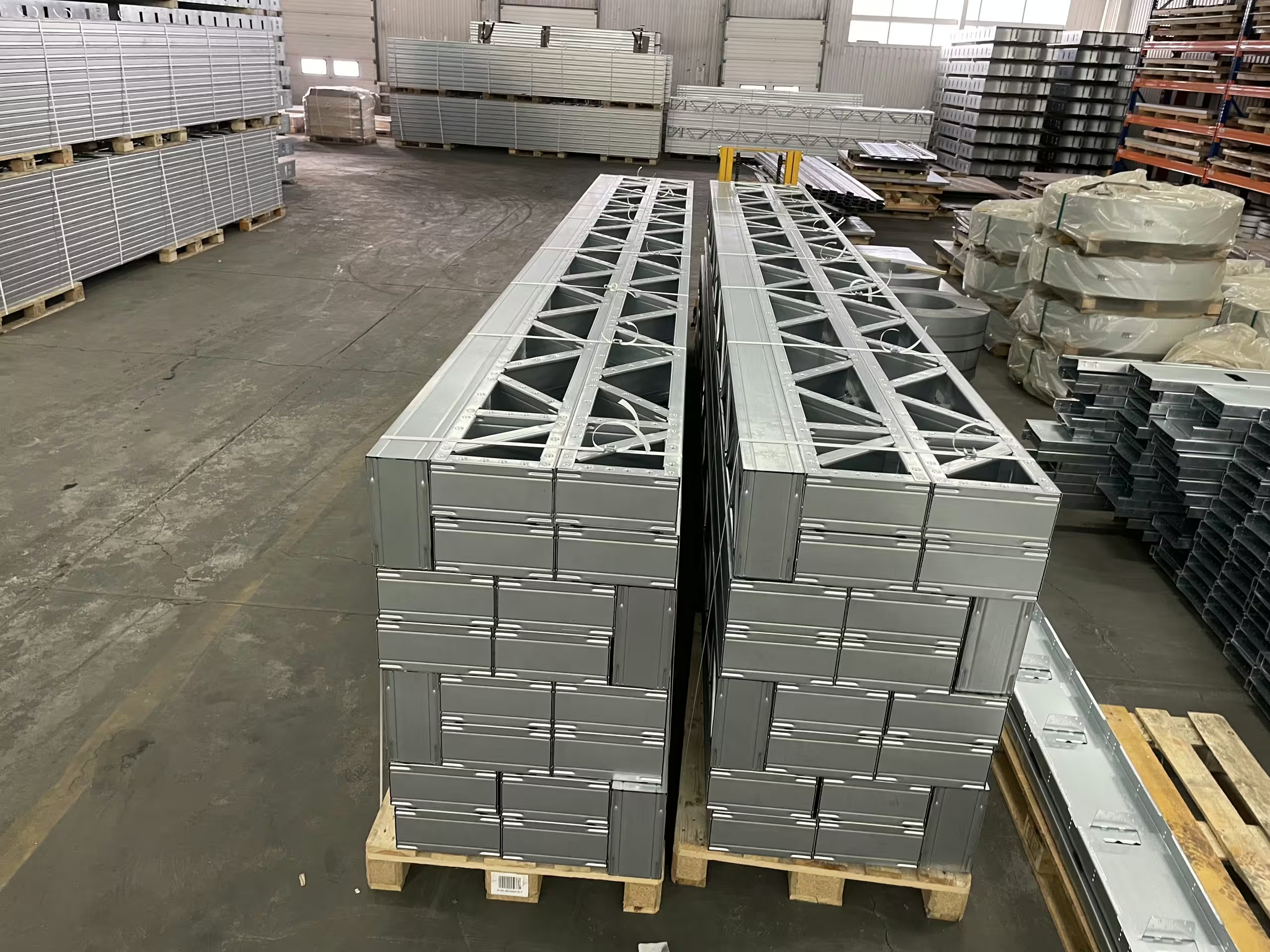
Stacks of galvanised lattice frames banded onto pallets in the BANAIR factory, with racked panels and further pallets behind them
Engineered in-house

Built in BANAIR factories.

Designed, fabricated and finished in-house in Dudley (UK) and Słupy (PL) — structural steel to EN 10025 / ASTM A572, hot-dip galvanized to EN ISO 1461 / ASTM A123, welded to EN ISO 15614-1 under ISO 9001:2015.

What every system in this family shares.

Common strengths
Deployable & relocatable

Engineered to ship, install and redeploy — packed for the logistics a unit already runs.

Defense-grade build

Structural steel, durable finishes and documented production traceability for defense and government work.

Manufacturer-direct

Designed, fabricated and supported in-house across the UK and Poland, with manufacturer-direct pricing.

Proven worldwide

Fielded across defense programs, with engineered projects delivered worldwide.

Scope a requirement

Need to scope a Training & Range Systems requirement?

Tell BANAIR Group the application, environment and procurement route. The team returns a recommendation across the MOTC option set.