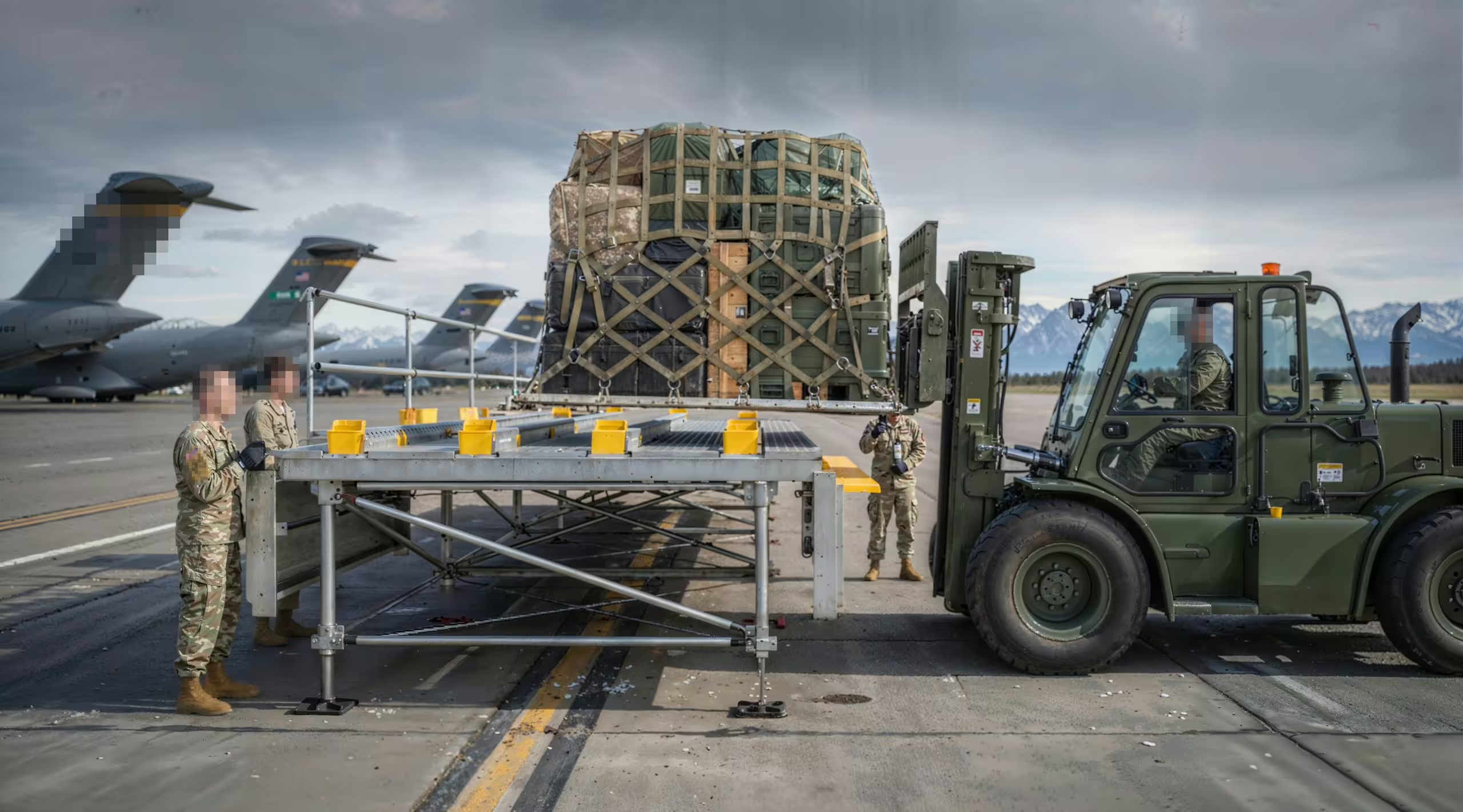
Field equipment that keeps the cargo moving.
Air terminal equipment that builds, stages and loads 463L pallet trains independently of K-loader availability.
Mission Support EquipmentThe Mission Support Equipment family.
The system463L build-up without a K-loader.
The family's one system: table bays that assemble into a dock on any hardstand, so pallet trains are built, staged and loaded without waiting on ground support equipment.
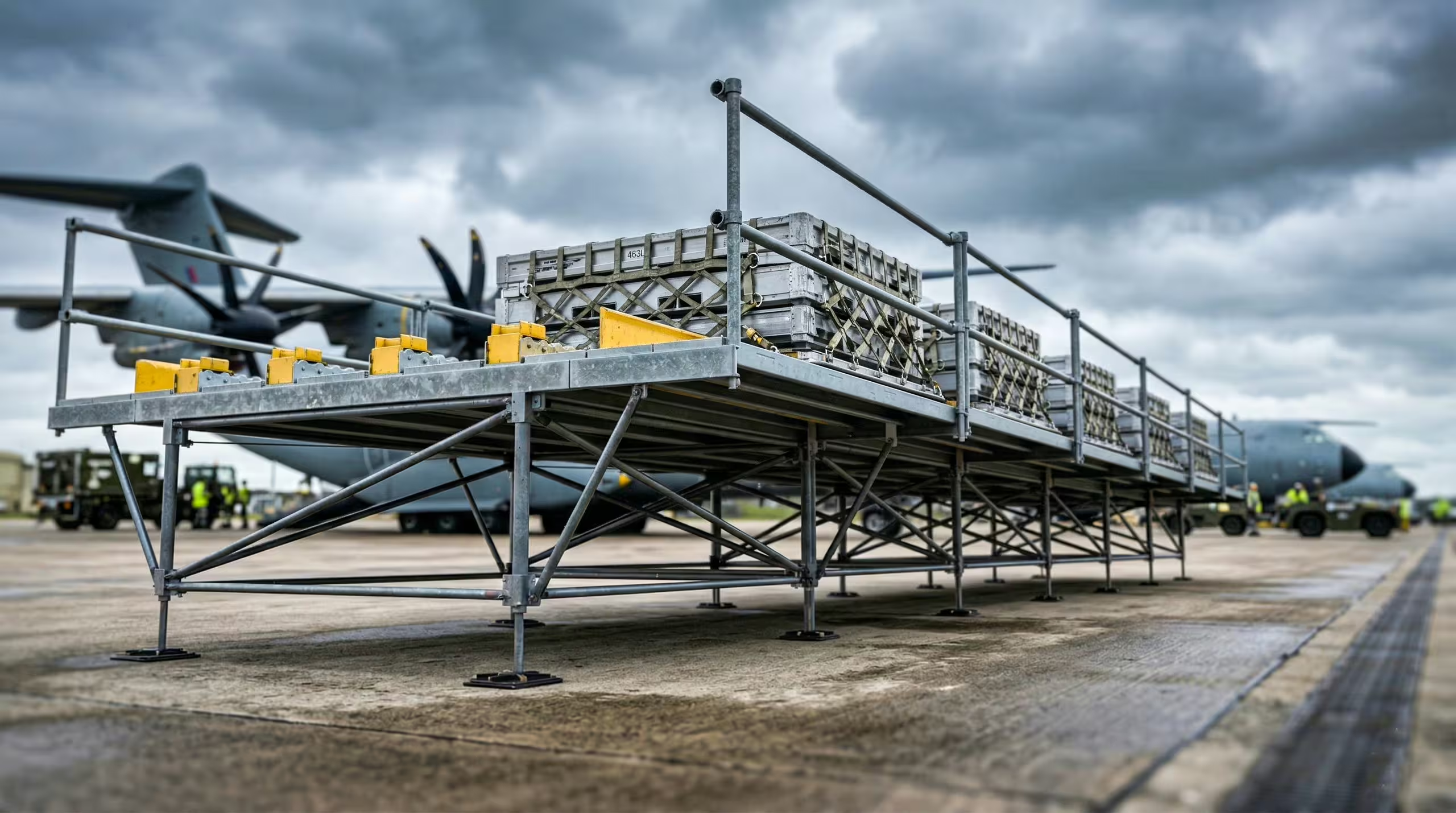
One dock, three things it has to get right.
In detail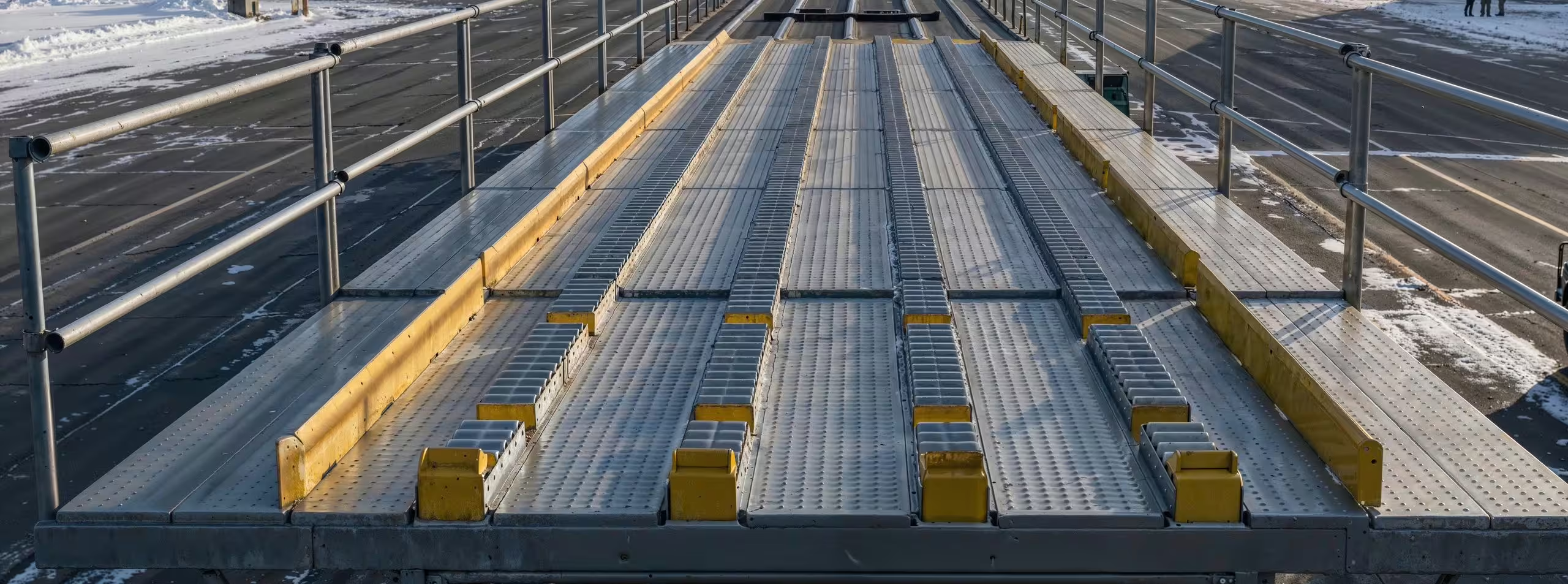
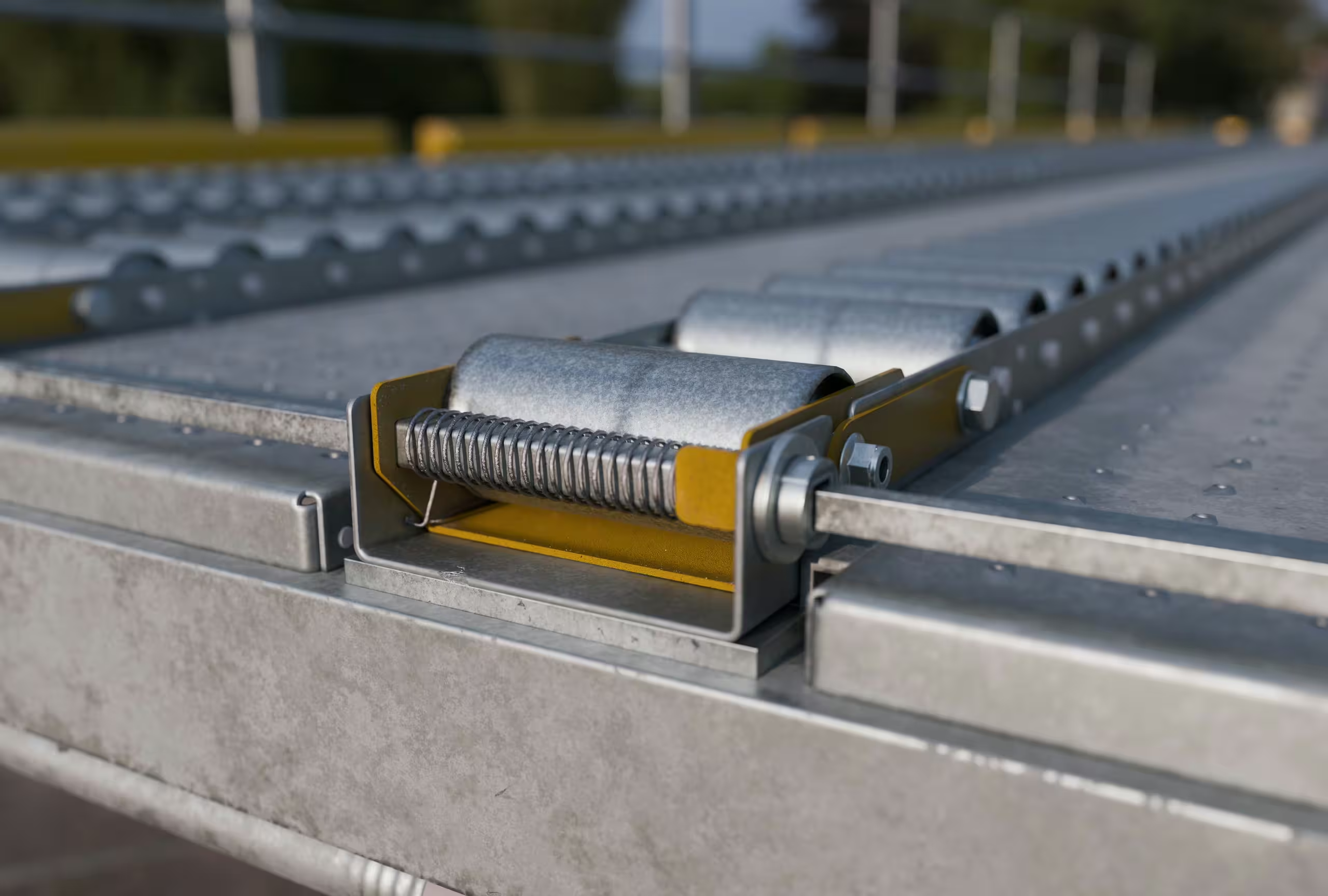
Build-up and breakdown.
01 · The deck- 13,500 lb (6,136 kg) per table bay
- 463L and ISU90 compatible
- Stainless steel rollers on spring mountings
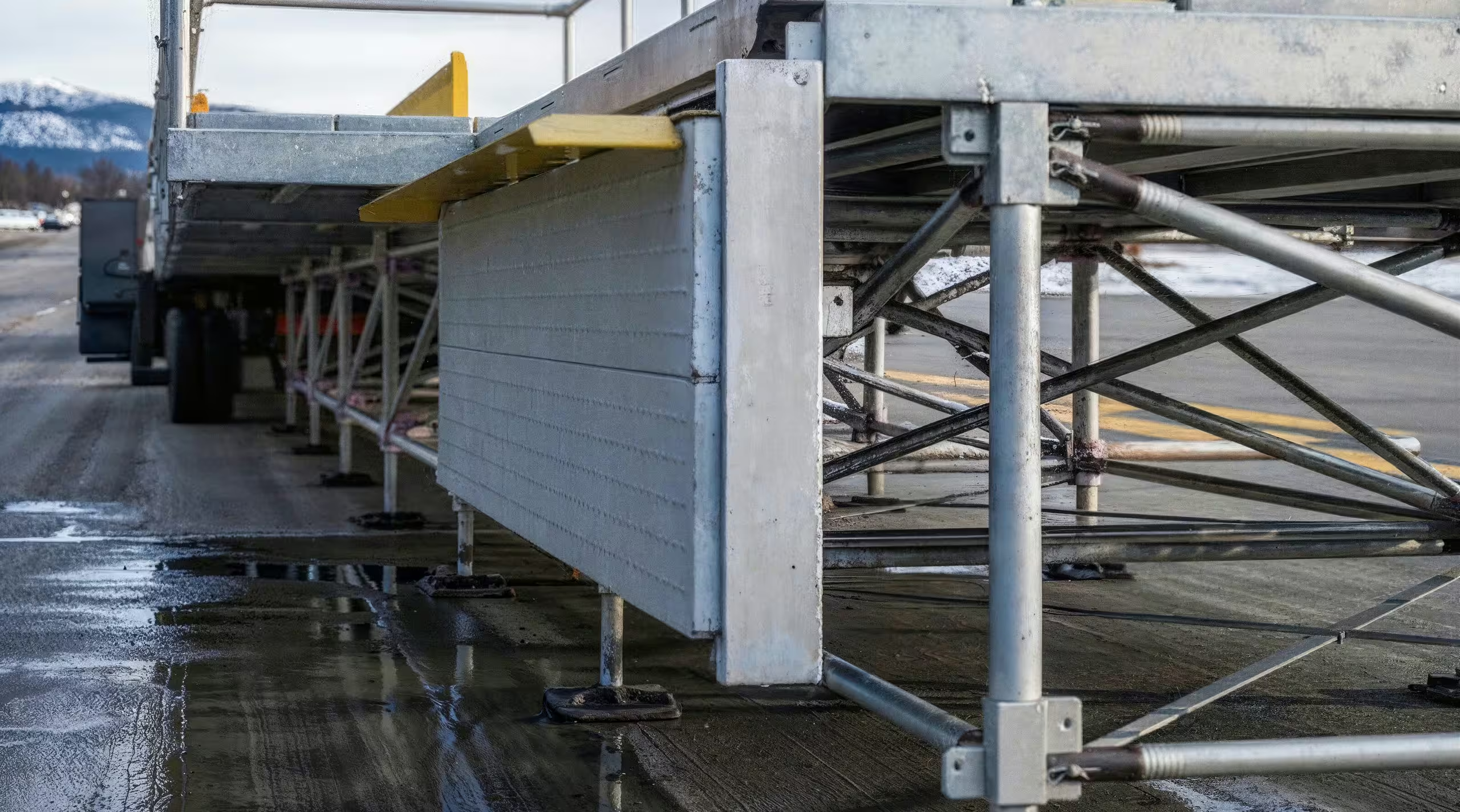
- Walkway and handrail both sides of the deck
Ninety minutes, two people.
02 · Assembly and transit- Six-bay dock operational in 90 minutes, two people
- 15 minutes per bay, no special tools
- A full six-table dock packs onto one 463L pallet
- No cranage and no materials handling equipment
Any firm hardstand.
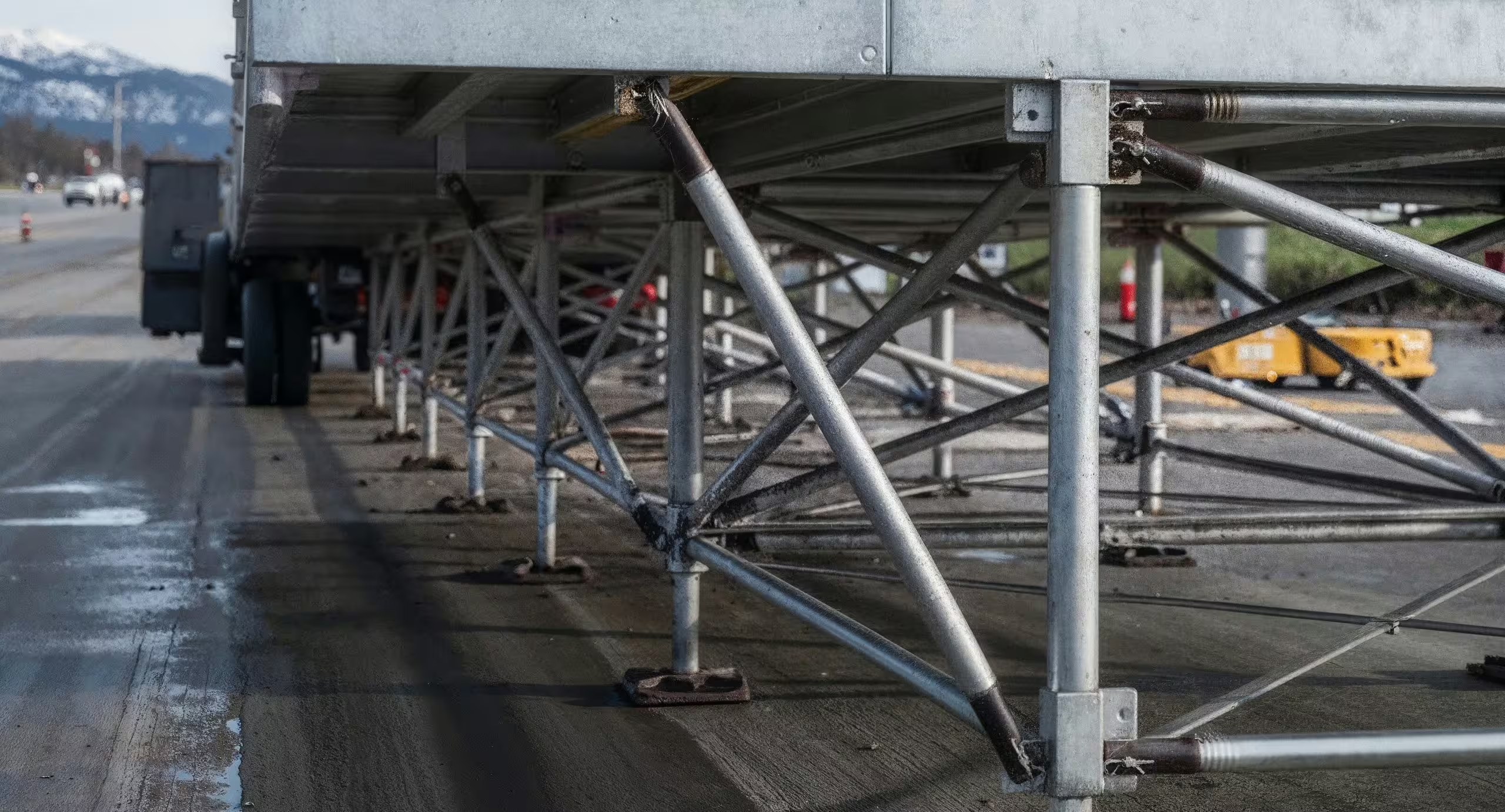
03 · Siting- Height-adjustable screw-jack legs on base plates
- Galvanized steel structure, specified against sand, salt and humidity
- Main operating bases, forward operating locations and contingency airfields
- Any hardstand or dispersal area — no site preparation
Air cargo that moves without the ground equipment.
Why this family exists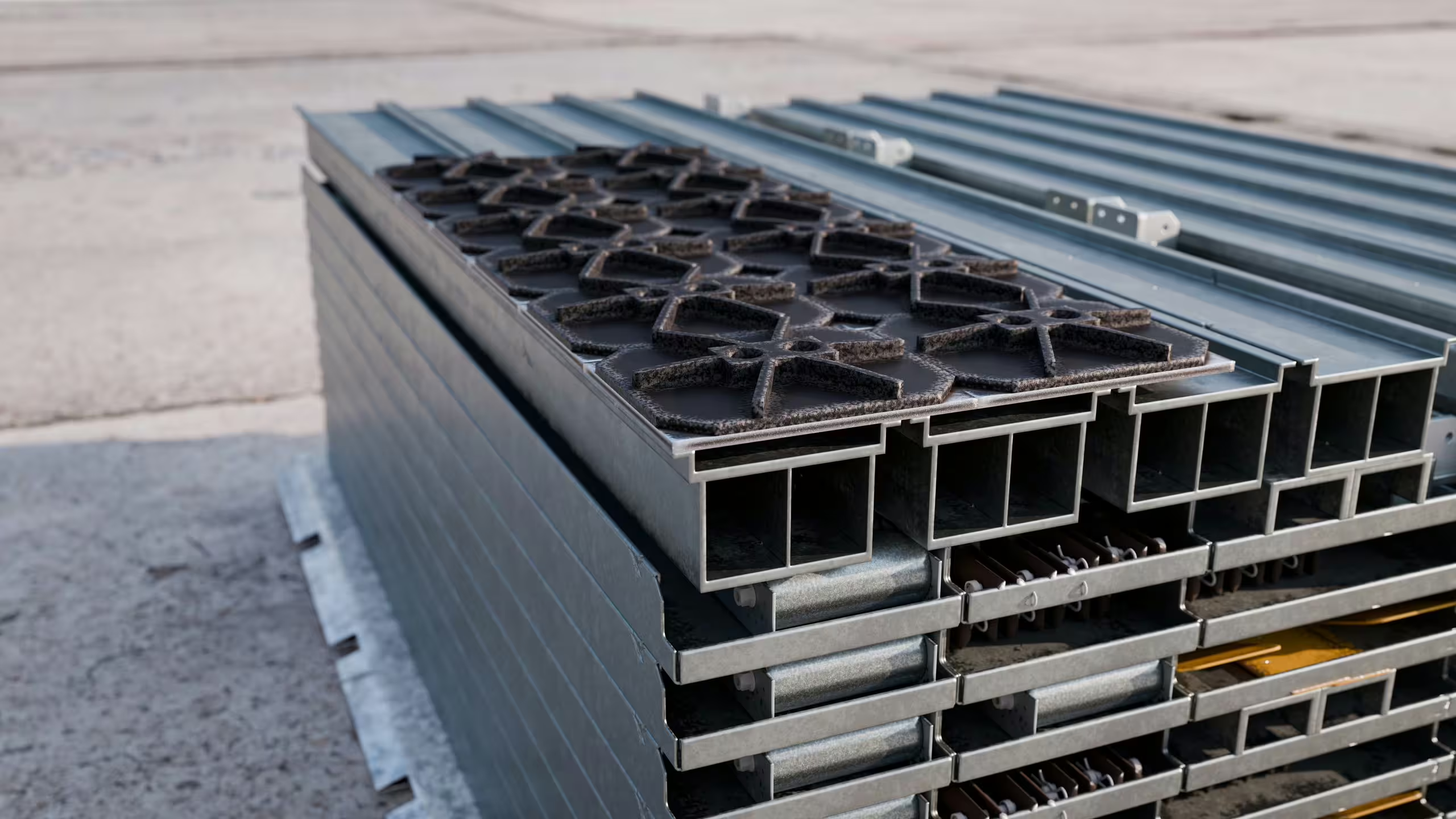
Built in BANAIR factories.
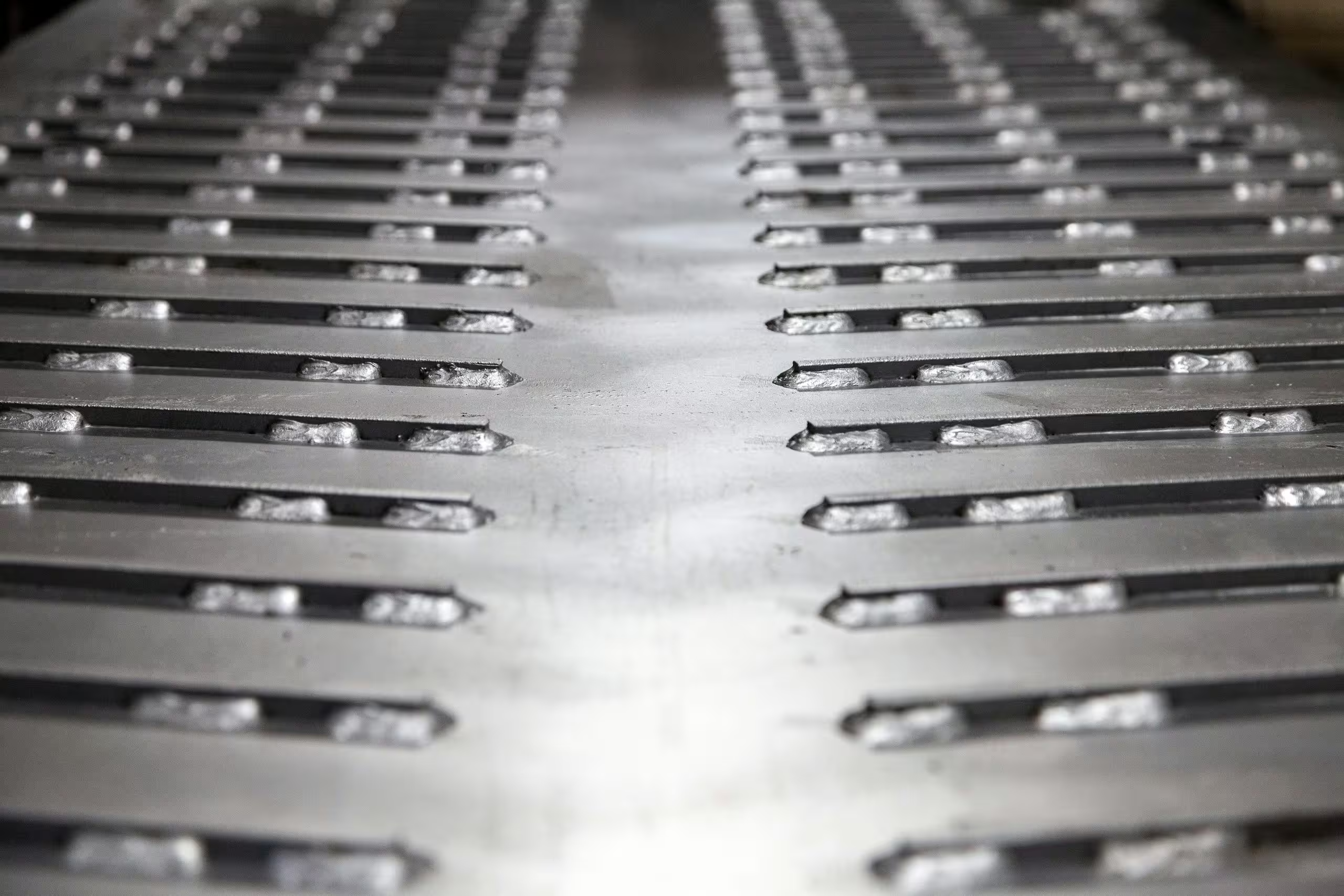
Designed, fabricated and finished in-house in Dudley (UK) and Słupy (PL) — structural steel to EN 10025 / ASTM A572, hot-dip galvanized to EN ISO 1461 / ASTM A123, welded to EN ISO 15614-1 under ISO 9001:2015.
What every system in this family shares.
Common strengthsIndependent of ground equipment
Builds, stages and loads complete 463L pallet trains without waiting on K-loader availability.
Two people, ninety minutes
Each table bay assembles in 15 minutes with no special tools and no technical manuals; a six-bay dock is working within 90 minutes of unloading.
Travels as cargo
A complete six-table dock packs flat onto a single 463L pallet — it moves on the airlift it serves.
Built for the apron
Galvanized steel structure, stainless steel rollers and screw-jack feet — specified for sand, salt and humidity, on any firm hardstand.
Need to scope a Mission Support Equipment requirement?
Tell BANAIR Group the application, environment and procurement route. The team returns a recommendation across the Mission Support Equipment family.